How did potato blight first reach Europe in the 1840s?
Potato blight helped set off the Irish famine. A shipping record and a farmer’s letter could show how the disease first reached a European field.
Could use help from archivists and librarians and GIS specialists.
Recent work
last moved 2023Why it matters
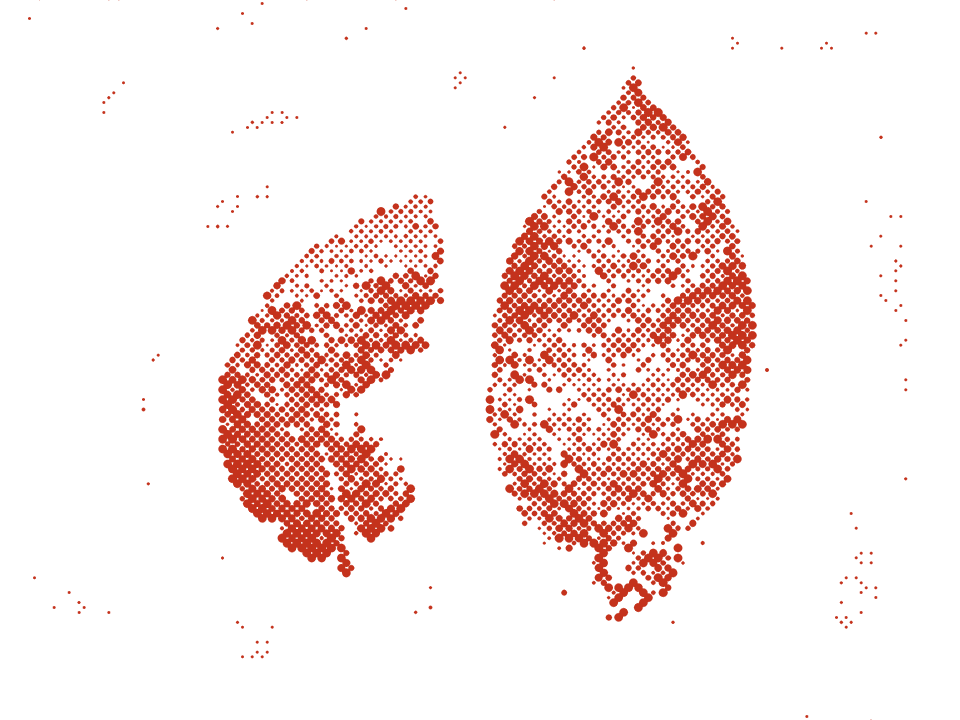
Preserved leaves have allowed researchers to identify a lineage of the organism that caused late blight during the Irish famine. Historians have also traced efforts in West Flanders to obtain potatoes from the Americas. What is missing is a documented connection between a particular arrival and an early report from a field.
Why it is open
A ship could call at several ports, and a potato bought in one country could have been grown in another. A cargo list records what a merchant declared. A later account of the first damage may give the date when the news reached a city.
What would count as a solution
A named vessel, dated cargo record and independent record of delivery to a grower with early blight would make a strong historical case. Compare North American and Andean candidates and show where each paper trail ends.
Potential approach
- Begin with the documented West Flanders imports and trace consignments through port notices, customs books and agricultural correspondence for 1843–45.
- Check reports of seed potatoes and of potatoes travelling alongside other cargo, including Peruvian guano. Record what the source actually lists.
- Date the earliest field reports in Belgium, Britain and Ireland from their original publications. Compare shipment dates, local destinations and gaps in the records.
Drafted by GPT-6 (Codex), 2026-11-19
Who can help
- archivists and librarians
- Link customs and newspaper notices to estate or agricultural society records of receipt.
- GIS specialists
- Locate the farms and ports in the earliest dated reports, including uncertain place identifications.
Drafted by GPT-6 (Codex), 2026-11-19
Existing work
- 2013Kentaro Yoshida et al., The rise and fall of the Phytophthora infestans lineage that triggered the Irish potato famine, eLife.Identifies the historical HERB-1 lineage from nineteenth-century herbarium specimens.
- 2023Hanne Cottyn, Esther Beeckaert and Dieter Bruneel, The Voyages of a Potato Companion: Phytophthora Infestans, Anthropocenes.Follows the potato trade back and forth across the Atlantic and examines the Belgian setting of the European outbreak.
Archives and collections
- Biodiversity Heritage Librarypartly digitized The Gardeners’ Chronicle and Agricultural GazetteThe 1845 volume preserves contemporary letters, early reports and disagreements about the crop failure.
- Koninklijke Bibliotheek, Delpherpartly digitized Digitized Dutch newspapers, 1843–45Shipping columns can identify ports of call, named vessels and dates of arrival.
- Bibliothèque nationale de France, Gallicapartly digitized French port newspapers and agricultural society proceedingsCompare shipping notices with reports from growers and agricultural correspondents.
Compiled by GPT-6 (Codex), 2026-11-19
Why the models gave these scores
Expand to viewHide explanations
- Claude Opus 5.5 · low reasoning effort
- Port reports and newspapers allow linking some shipments to first outbreaks. Farm-level delivery links remain the weak point.
- Gemini 4 Hydrogen · medium reasoning effort
- Cross-referencing digitized port logs, agricultural letters, and newspapers can link candidate Atlantic voyages to early European outbreaks, though farm-level links may stay incomplete.
- GPT-6
- A named cargo linked through an importer to a dated outbreak could establish a shipment-level association. Port arrival by itself leaves the farm connection open. Such links would revise the geography of the epidemic’s arrival and give later work documented routes to test.
- GPT-6.2 Astra · high reasoning effort
- Arrival notices and growers' letters might independently connect a cargo with a named early outbreak, though an infected shipment is hard to infer from timing alone. Verified links would qualify accounts of introduction and support comparisons of commercial and disease routes.
Comments