Leads
Some preliminary writeups of findings and methods used to try to tackle open historical problems using digitized archives and agentic research
-
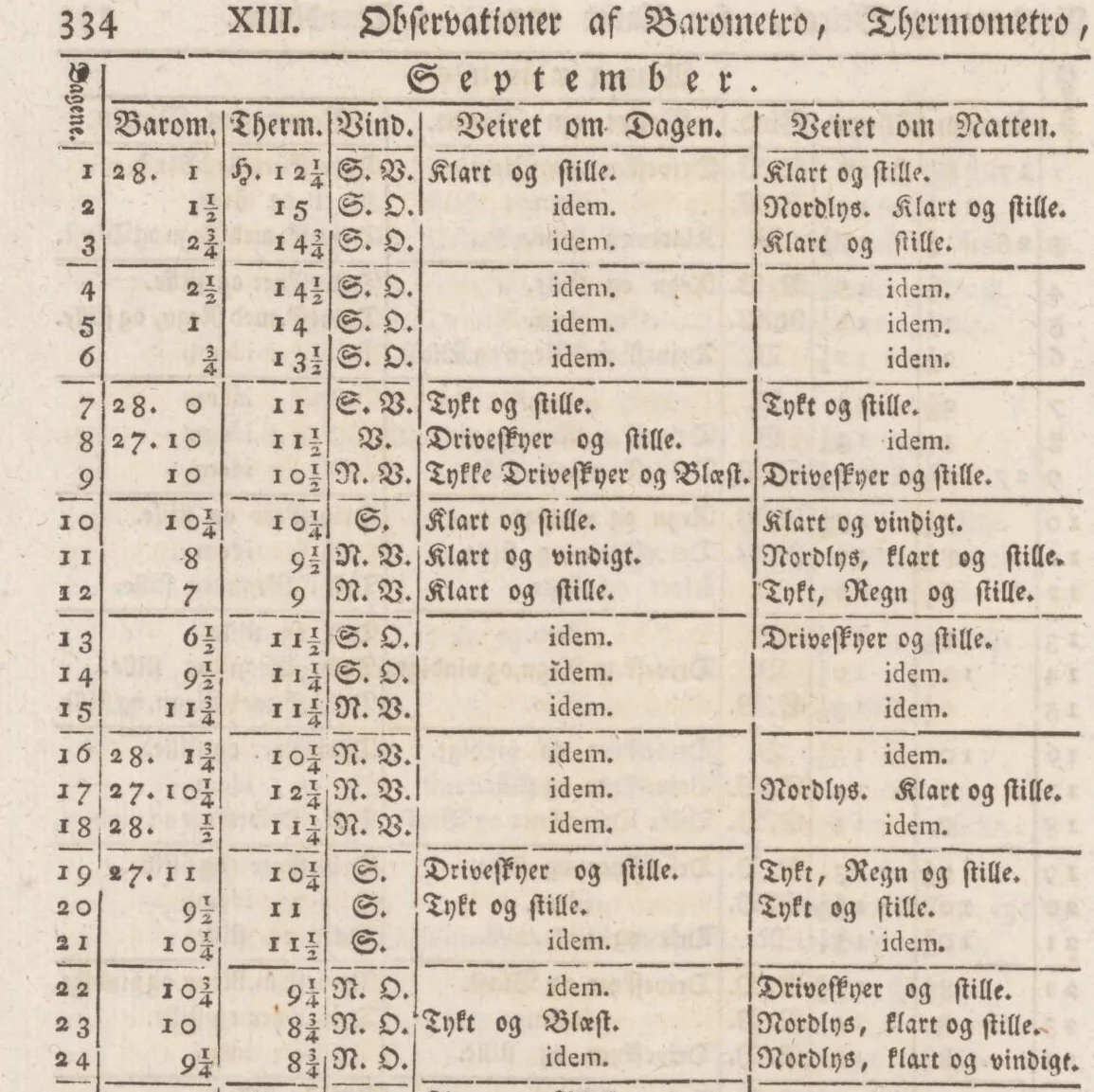
Global, September 1770 · Space weather
The missing half of the 1770 superstorm
In September 1770, blood-red auroras burned over Japan, China, and Captain Cook’s ship off Timor for nine nights—an extreme solar storm now used to stress-test modern power grids. Searching 18th-century European academy journals, observatory logs, and newspapers recovers eight overlooked sightings, finds a date error still live in NASA’s historical catalog, and uses a single star in southern France to explain why Europe saw a far weaker sky.
Explore the storm night by night -
Borneo and Java · Natural history
How did wild elephants come to live on Borneo?
One account traces Borneo’s wild elephants to a royal gift. Elephants from Java supposedly reached Borneo by way of the Sulu islands. If those animals founded the herd, some of Java’s vanished elephant population may have living descendants.
Read the research stub -
Mughal India · Seventeenth century
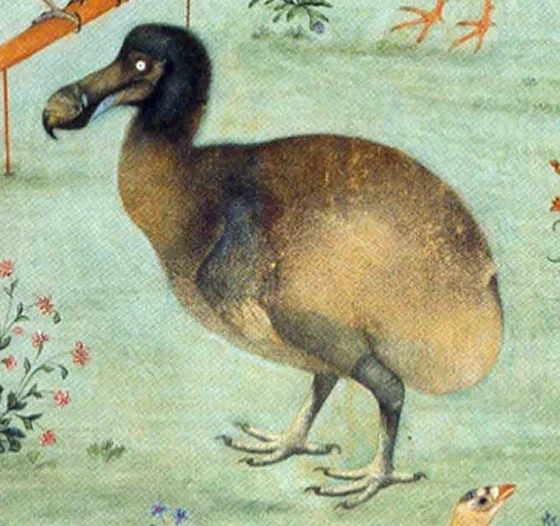
How did a dodo become the subject of a Mughal painting?
A painter at the Mughal court depicted a bird native to Mauritius. The traveller Peter Mundy recalled seeing two live dodos in Surat, a port on India’s west coast. Can a particular bird be traced to the artist?
Read the research stub -
Rapa Nui and Melbourne · Botanical history
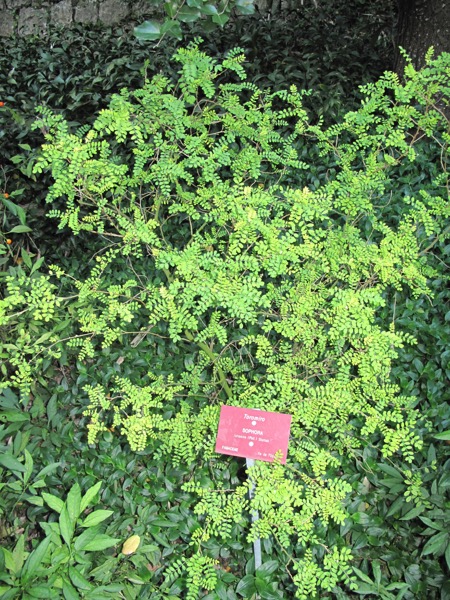
Where did Melbourne’s toromiro trees come from?
The toromiro, a tree native to Rapa Nui (Easter Island), survives in gardens. Melbourne’s trees might preserve a separate line of descent from the island’s wild trees. A pressed specimen offers a place to begin.
Read the research stub -
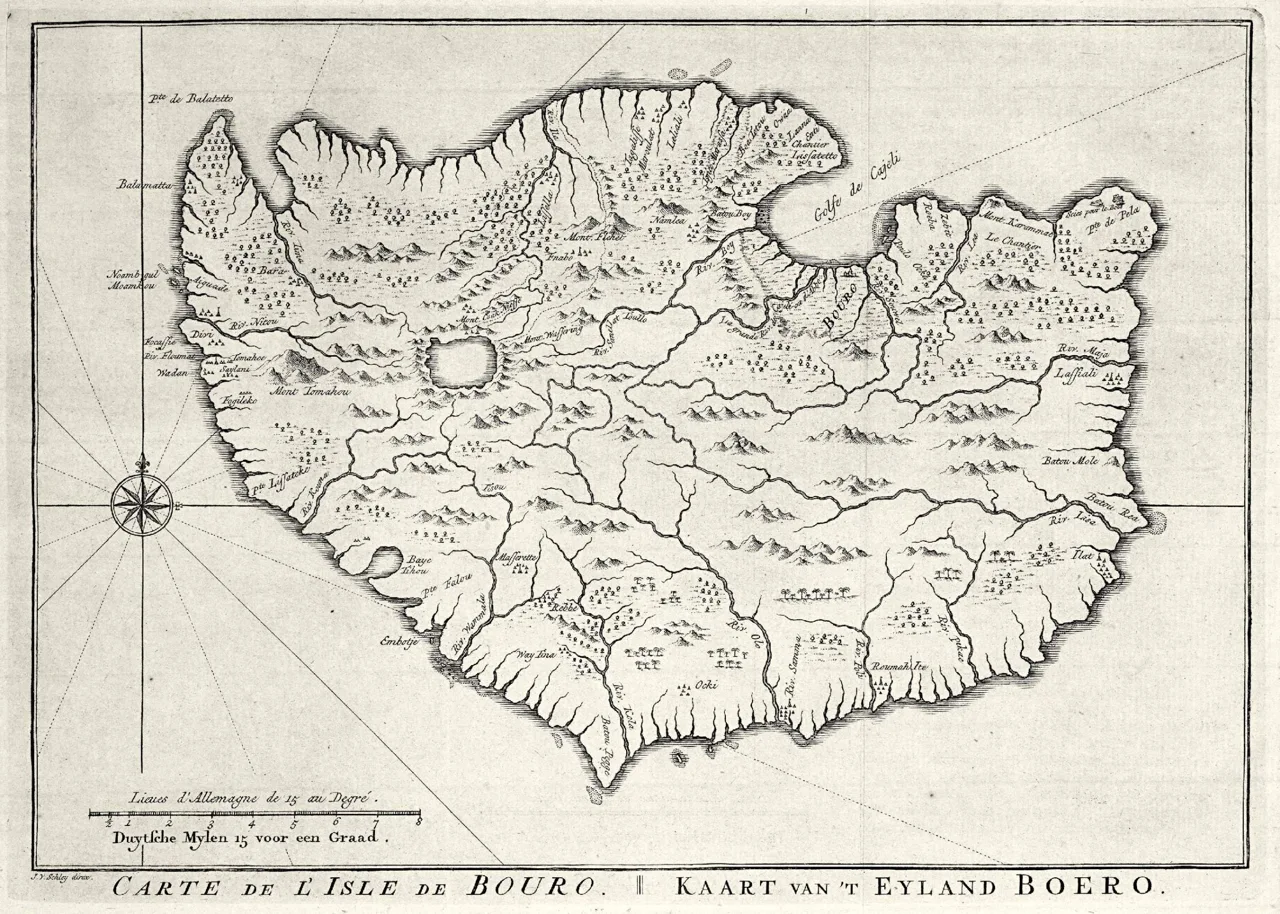
Buru, 1738 · Earthquakes
The day the sea ran up the rivers
In 1738, people on an Indonesian island fled uphill as seawater rushed inland. A Dutch official described it twice. His letters preserve evidence of a tsunami missing from modern catalogues.
Compare the two letters -
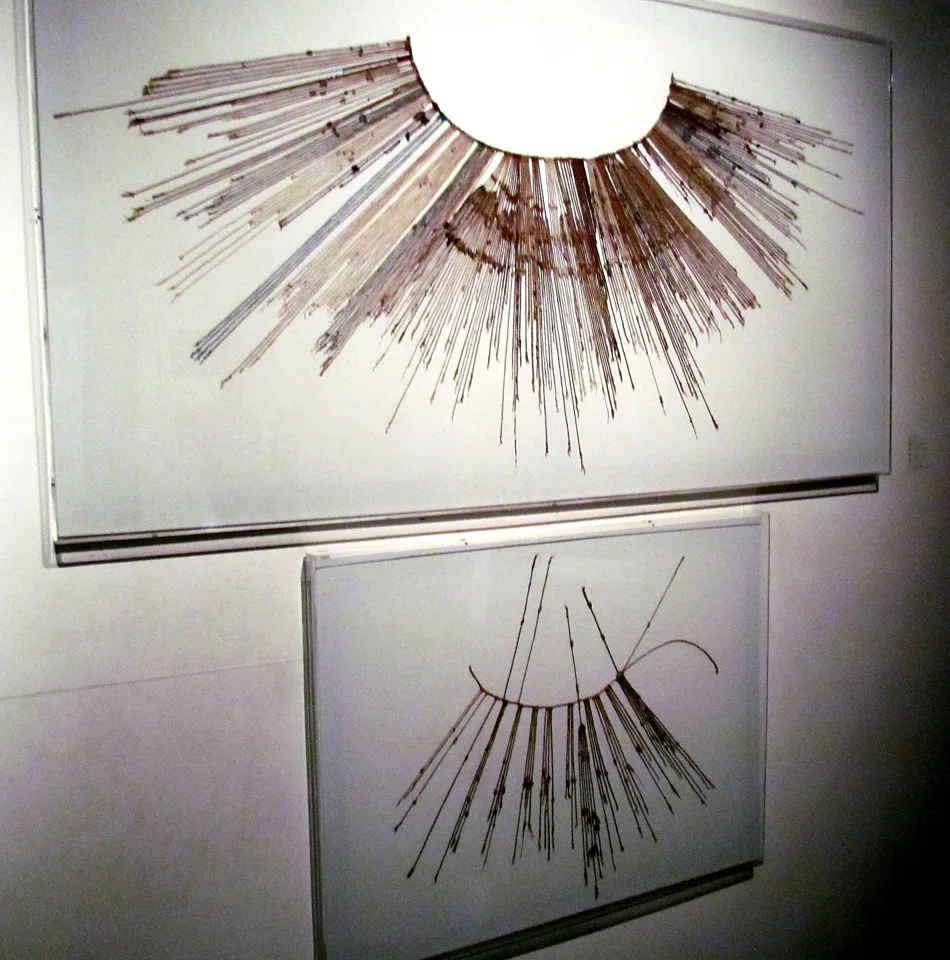
Pachacámac, Peru · Andean records
Did two sets of knotted cords keep the same account?
People in the Andes kept records by tying knots in cords. Two objects from the coast of Peru preserve a run of numbers in the same order. Even one cord that broke long ago offers a clue.
Line up the cords -
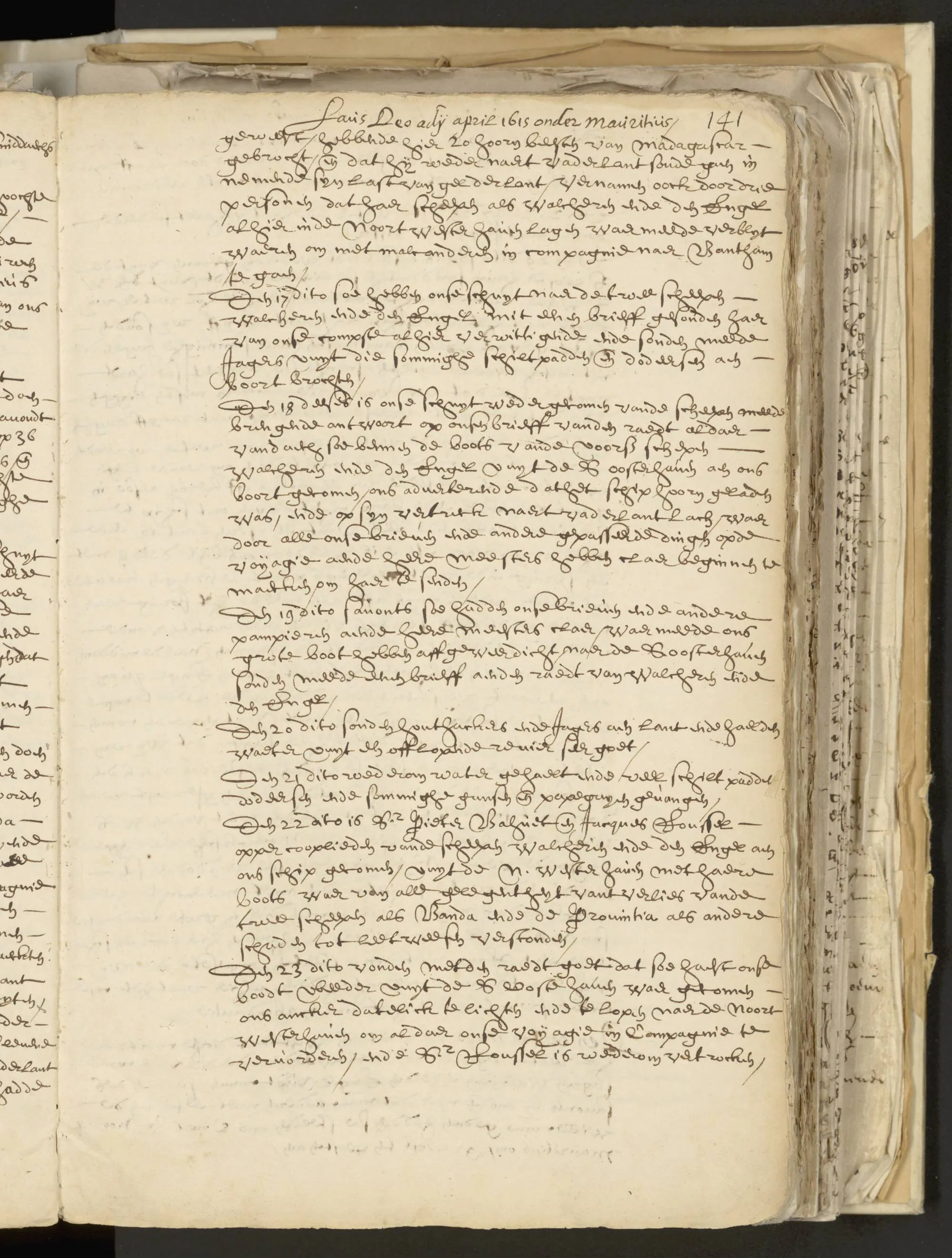
Mauritius, 1615 · Natural history
The dodos in a ship’s journal
In April 1615, Dutch sailors went ashore on Mauritius and brought dodos back to their ship. Two entries in their journal fill a gap in the short written history of this extinct, flightless bird.
Read the manuscripts -
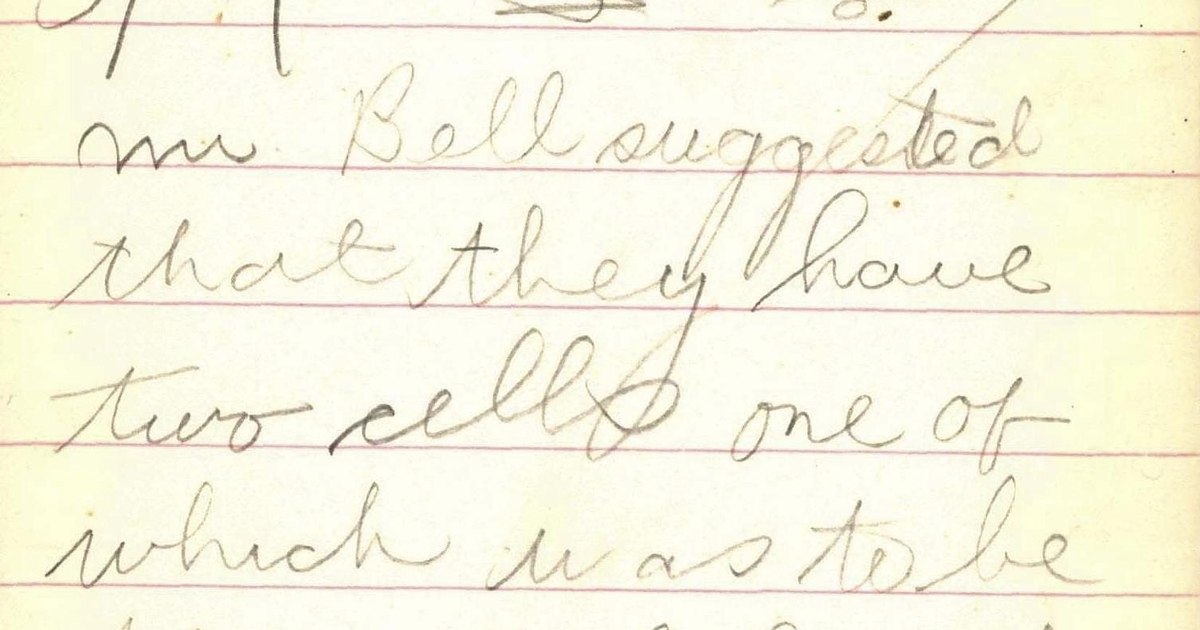
Potomac River, 1902 · Early flight
Did Langley ever try Bell’s kite designs?
In 1902 the astronomer Samuel Langley asked Alexander Graham Bell to help him fly an experimental kite. A notebook records two changes Bell suggested. Did either design get into the air?
Read the notebook -
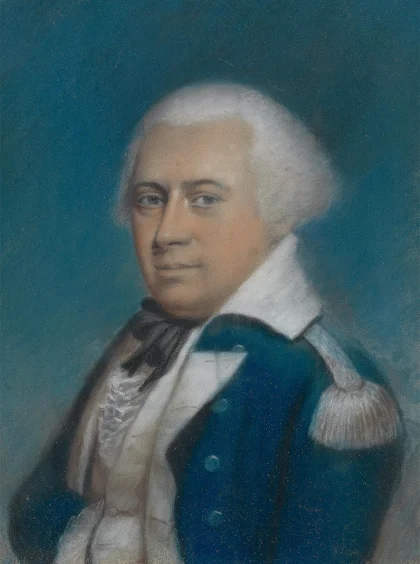
The Mississippi River, 1792 · Espionage
A dictionary for Agent 13
James Wilkinson was a U.S. Army officer who secretly worked for Spain. He and Spanish officials hid words in their letters by giving the page, column and entry in a dictionary. Can we find the book they had on their desks?
Try the dictionary -
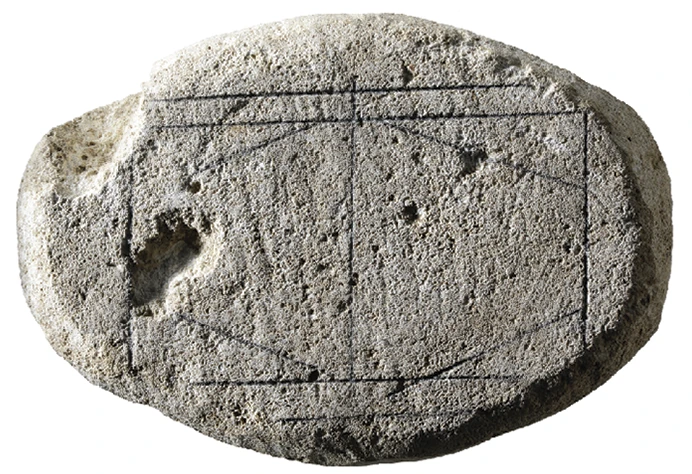
Heerlen · Roman game board
What game wore down this stone?
A Roman stone is worn smooth beside a diagonal cut. Move a piece across it twice to see how two different games could have left that mark.
Play the two games -
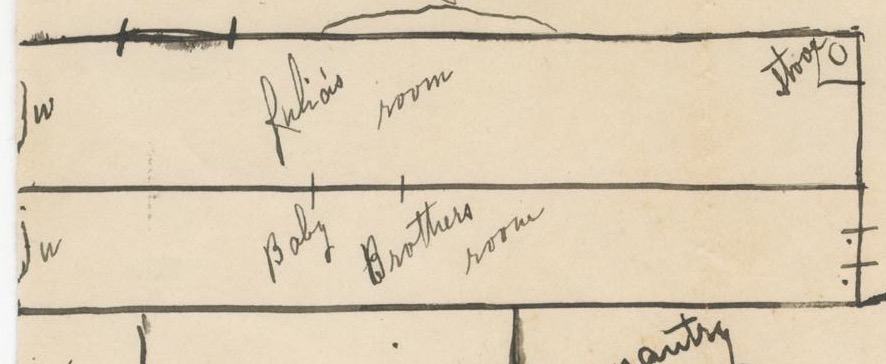
Vienna, 1889–90 · Wax cylinder
A voice from Vienna
An American recorded a letter on an Edison phonograph. Could two words in the letter and a child’s drawing help identify him?
Listen and examine the evidence