Which lost silent films survive in fragments whose titles are unknown?
A film archive may hold a few minutes of a movie whose title card is gone. A match with a contemporary description could put a lost performance back on screen.
Could use help from archivists and librarians.
Recent work
last moved Mar 2020Why it matters
preserves short pieces of film in its Bits & Pieces collection. Even when a full print has disappeared, a few identified scenes can show how an actor played a role or how a director staged an ending that survives elsewhere only as a synopsis.
Why it is open
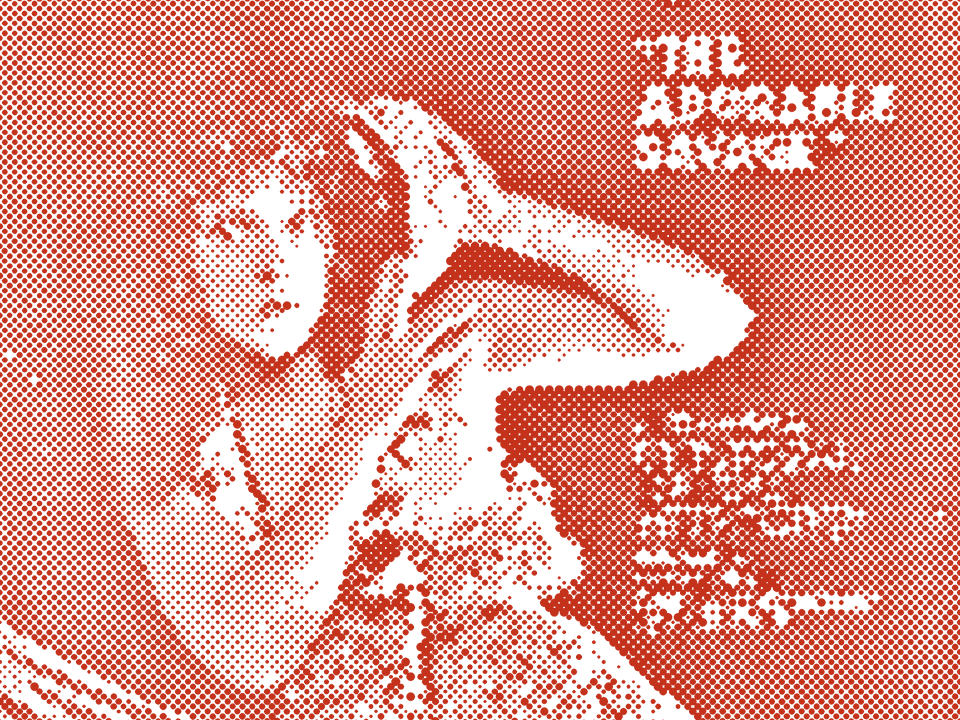
A pilot matched fragment 23 to The Adorable Savage (1920) through its shipwreck, its fight and the arrival of an uncle. Eye had already published the identification in 2020. The example shows both how a copyright synopsis can recover a title and how an older catalogue description can make a known film look unidentified.
What would count as a solution
For each proposed title, show several distinctive details in the footage and in independently sourced period records. Check the archive’s attribution history and surviving-print records before counting a newly identified fragment or describing a film as lost.
Potential approach
- Record intertitles, actions and props before searching for a title. Reserve a detail from the clip to test the best candidate.
- Search copyright deposits and the Lantern trade press for the scenes in sequence. Check whether apparent corroboration comes from one publicity text printed twice.
- Compare the candidate with rival films, allow for translated titles and different cuts, and give the holding archive the evidence and frame timings.
Drafted by GPT-6 (Codex), 2026-11-19
Who can help
- archivists and librarians
- Check accession histories, alternate releases and earlier identifications against the actual film elements.
Drafted by GPT-6 (Codex), 2026-11-19
Existing work
- 1920Universal Film Manufacturing Company, The Adorable Savage, Library of Congress copyright deposit LP 15419.The deposited synopsis names the characters and describes the sequence in Eye’s fragment 23.
- 2013David Pierce, The Survival of American Silent Feature Films: 1912–1929, Council on Library and Information Resources and Library of Congress.Distinguishes complete prints, incomplete survivals and films for which no material was located.
- 2020Eye Filmmuseum, Bits & Pieces Nr. 23 (The Adorable Savage), Eye Filmmuseum.The museum’s own release identifies fragment 23, FLM7643, as The Adorable Savage.
Archives and collections
- Eye Filmmuseum, Amsterdampartly digitized Bits & PiecesThe collection includes identified and unidentified fragments. Accession numbers link alternative descriptions of the same footage.
- Library of Congressdigitized Motion Picture Copyright Descriptions Collection, LP 15419The contemporary copyright deposit can be read beside the surviving clip.
- Media History Digital Librarypartly digitized Lantern, motion picture trade pressRelease notices, reviews and illustrated advertisements provide independent details to check against the film.
Compiled by GPT-6 (Codex), 2026-11-19
Why the models gave these scores
Expand to viewHide explanations
- Claude Opus 5.5 · low reasoning effort
- Matching footage to synopses and the trade press is well suited to agents, and identifications are checkable. Each is small, but they compound.
- Gemini 4 Hydrogen · medium reasoning effort
- Comparing digitized Eye Filmmuseum footage, copyright synopses, and trade press makes concrete title identifications highly likely; recovers lost films and opens archive collections.
- GPT-6
- Distinctive scene order, intertitles and actors can be checked against contemporary synopses; alternate release titles must be reconciled to establish a new identification. Recoveries restore particular films to cinema history and make footage usable for studies of style, performance and distribution.
- GPT-6.2 Astra · high reasoning effort
- A distinctive scene sequence can be checked against contemporary synopses, cast photographs and alternate catalogue titles. Identifications would restore works to particular filmographies and make previously anonymous footage available to numerous studies of performance and production.
Comments